
Core Drilling Company Case Study | Juvis Centre, ON
Location: Ontario (Juvis Centre)
Client: Facility / renovation team
Services: Core drilling + GPR scanning + slurry control / cleanup
Structure: Small tiled pool (ceramic tile over reinforced concrete)
Core size: 4-inch diameter
Schedule: Night shift only (Tuesday)
Project overview
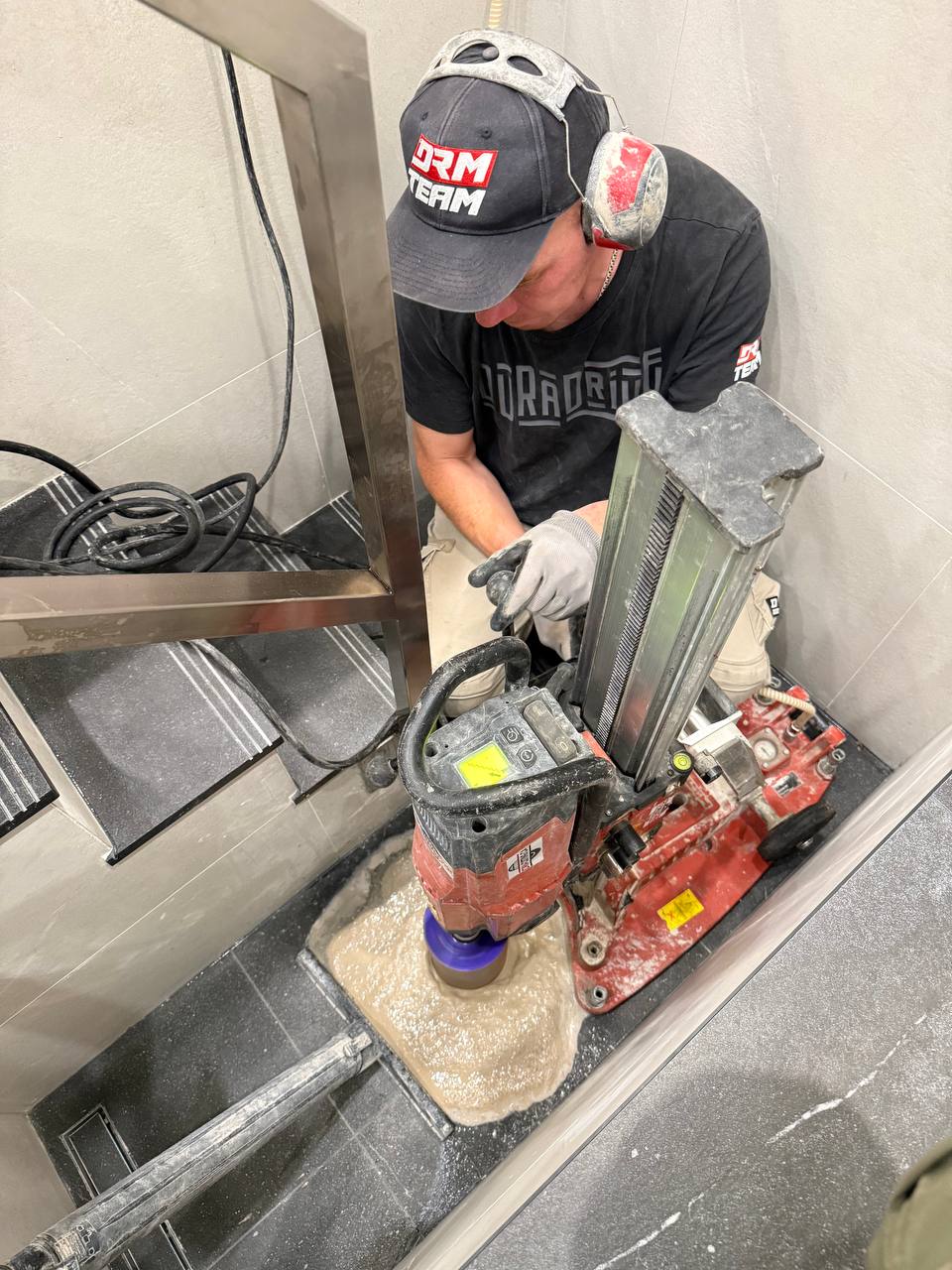
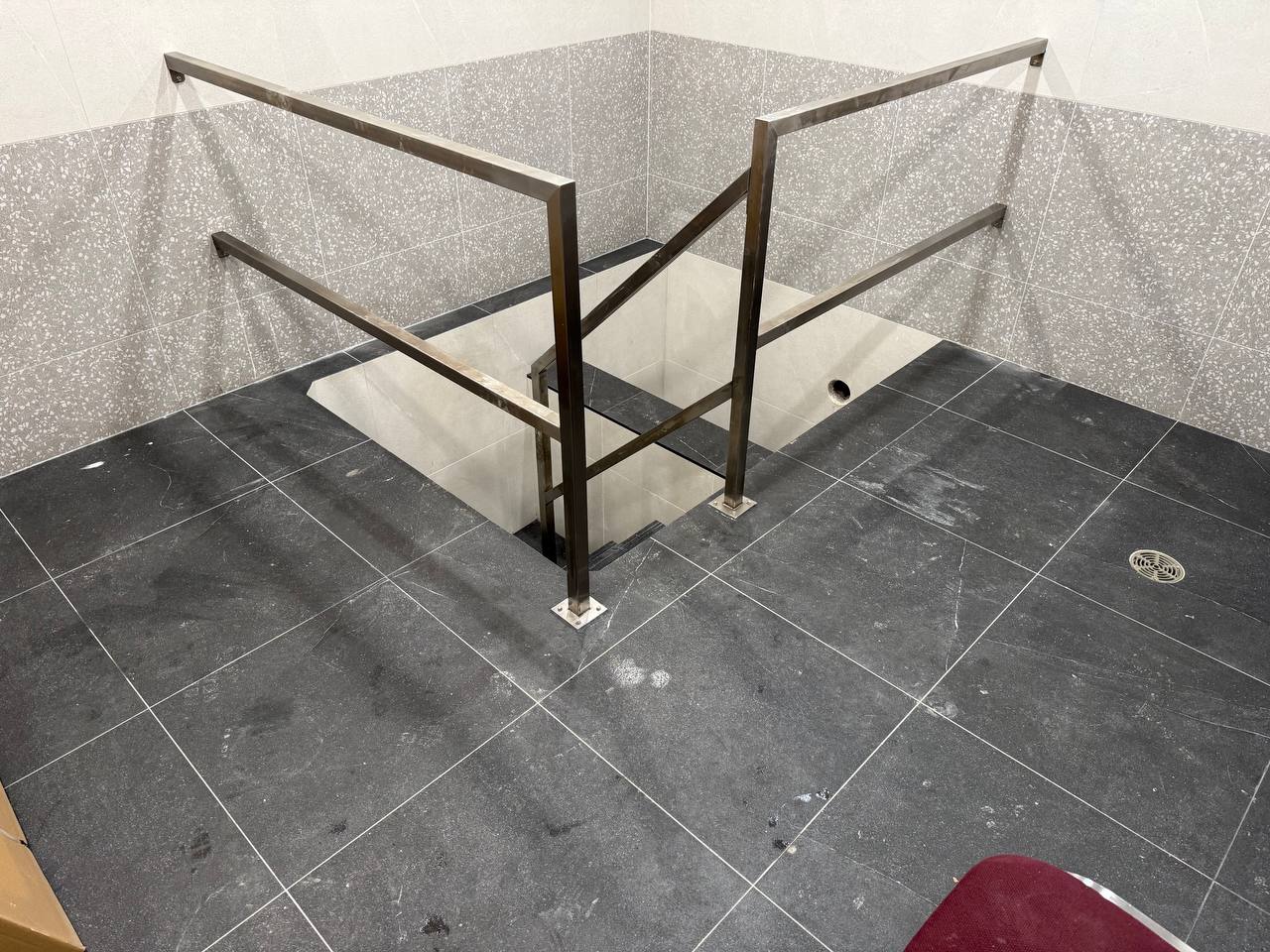
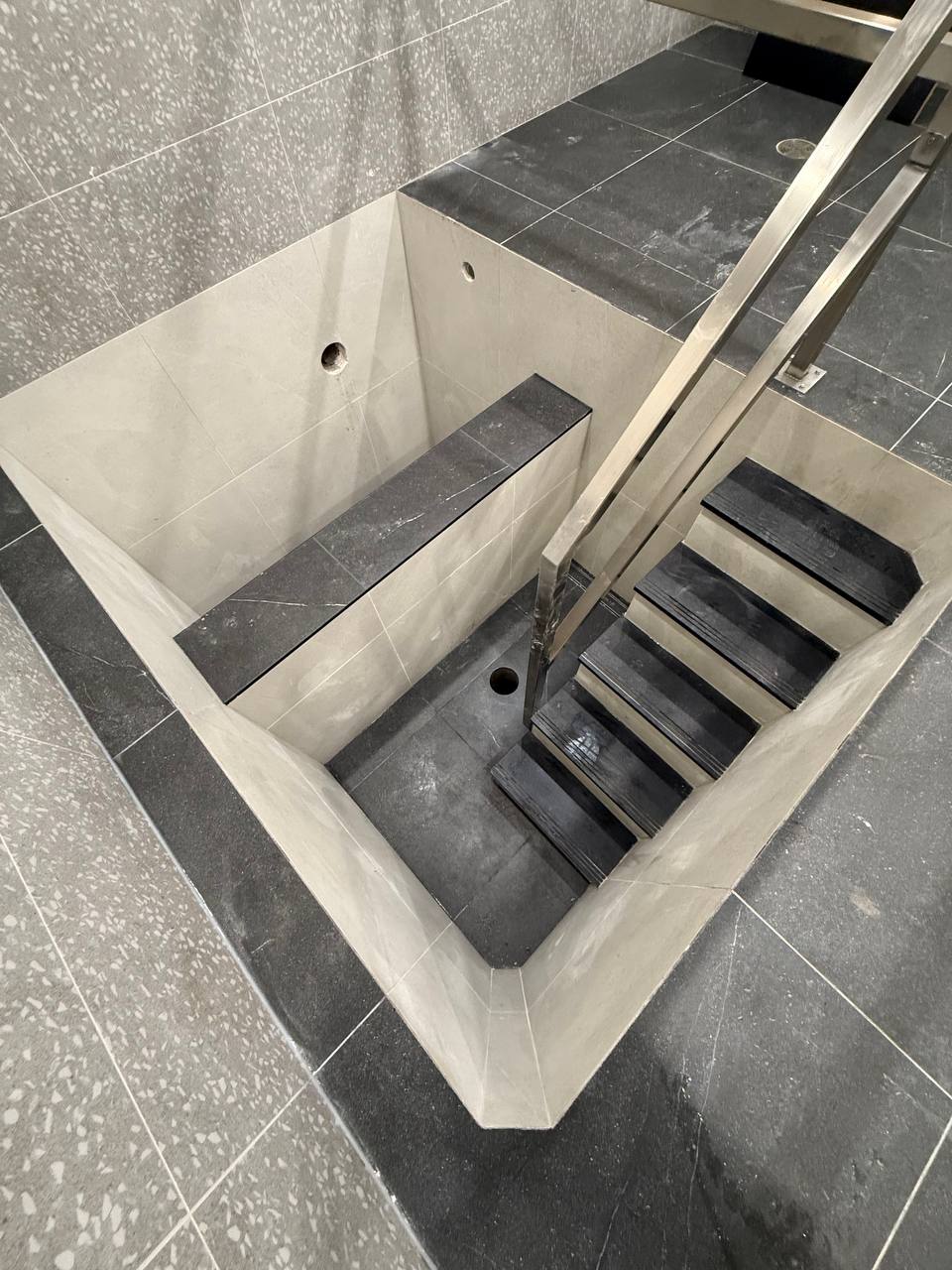
This project was a night-shift scope inside a small tiled pool area at Juvis Centre. The facility required new openings for drains and water circulation, but the finish was already in place (ceramic tile) and the structure behind it was reinforced concrete.
The goal was simple: drill clean, round penetrations without damaging the tile finish and without leaving slurry mess behind.
The challenges
Night access only: the work window was limited, so the sequence had to be tight.
Finished environment: tile surfaces don’t forgive mistakes, and the area had to be left clean.
No blind work: we scanned the slab/walls with GPR first to check for embedded electrical wiring and avoid surprises.
Water and slurry control: wet coring is the right method, but containment and cleanup are the difference between “done” and “problem.”
Our work
- GPR scanning before drilling to confirm a safe path and reduce the risk of hitting embedded electrical lines.
- Core drilling in reinforced concrete (4-inch diameter) through tiled surfaces for drainage and circulation connections.
- Slurry management and cleanup using wet vacuuming, keeping the area controlled and ready for the next trade.
Result
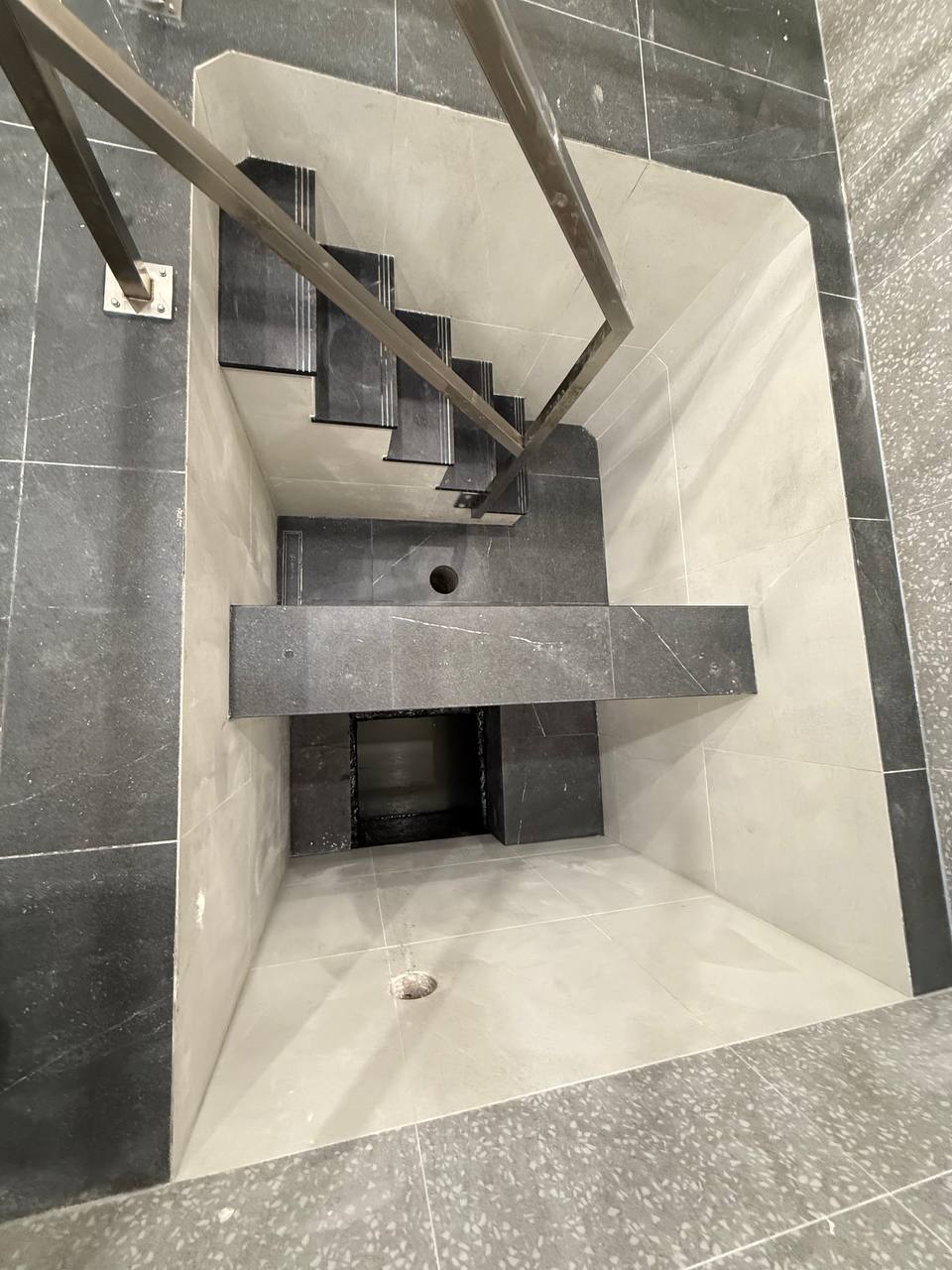
The penetrations were completed during the night shift with clean edges through tile and reinforced concrete. The area was left vacuum-cleaned, and the client could continue installation without rework or mess.
Core Drilling Company FAQ
Common questions about drilling through tiled reinforced concrete, GPR scanning, night work, and slurry control in occupied facilities.