
Ontario cutting and coring looks straightforward until you put it into a real GTA jobsite environment: condo rules, downtown access, tight loading windows, occupied units, and multiple trades stacked on top of each other.
In Ontario, contractors don’t lose time because a blade can’t cut concrete. They lose time because the plan did not match the site reality.

Here is what consistently changes in Ontario (especially in the GTA), and how to structure the scope so the work stays clean and schedule-safe.
- Downtown access and loading windows are part of the scope
In Toronto and dense GTA areas, access is rarely “open yard, roll in a truck.”
You may have:
booked loading docks,
elevator-only access,
narrow corridors,
time-restricted deliveries,
no staging area for sections.

If removal is part of your cutting scope, the contractor must plan segment sizes around your haul-out path. If they quote huge sections with no path out, you will pay twice: once to cut, and again to re-cut into manageable pieces.
- Live buildings require containment and discipline
Ontario has a high percentage of live environments:
occupied condos,
active retail,
healthcare spaces,
data/telecom environments,
working plants.

Wet cutting helps with dust, but it creates slurry. The question is not “do you cut wet?” The question is:
How do you keep water and slurry from spreading into finished areas, drains, and adjacent trades?
A real plan includes barriers, floor protection, controlled washdown, and cleanup responsibilities defined up front.
- Vibration limits drive the method
Ontario projects often impose vibration restrictions due to:
neighboring structures,
sensitive equipment,
tenant complaints,
structural risk.
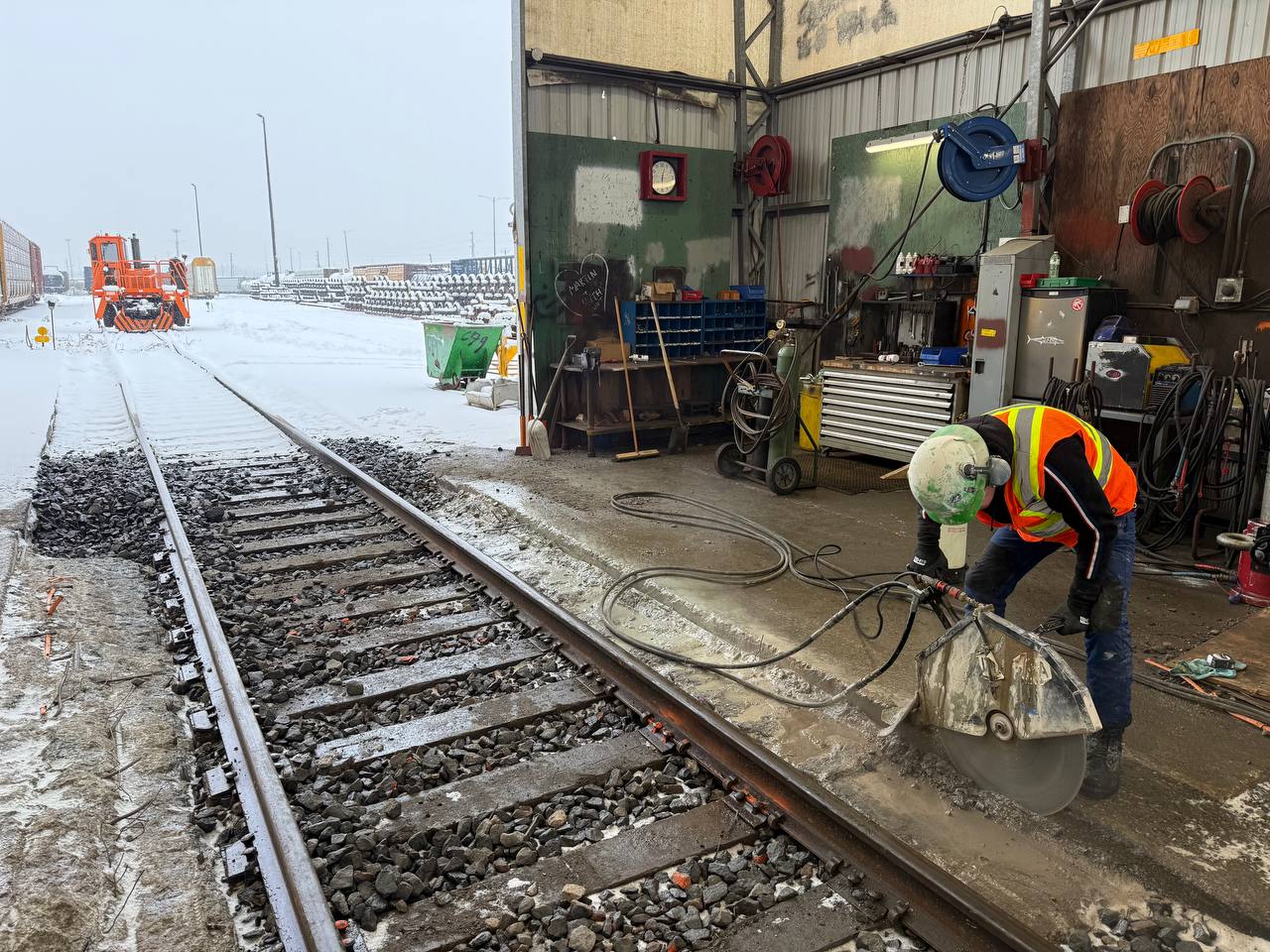
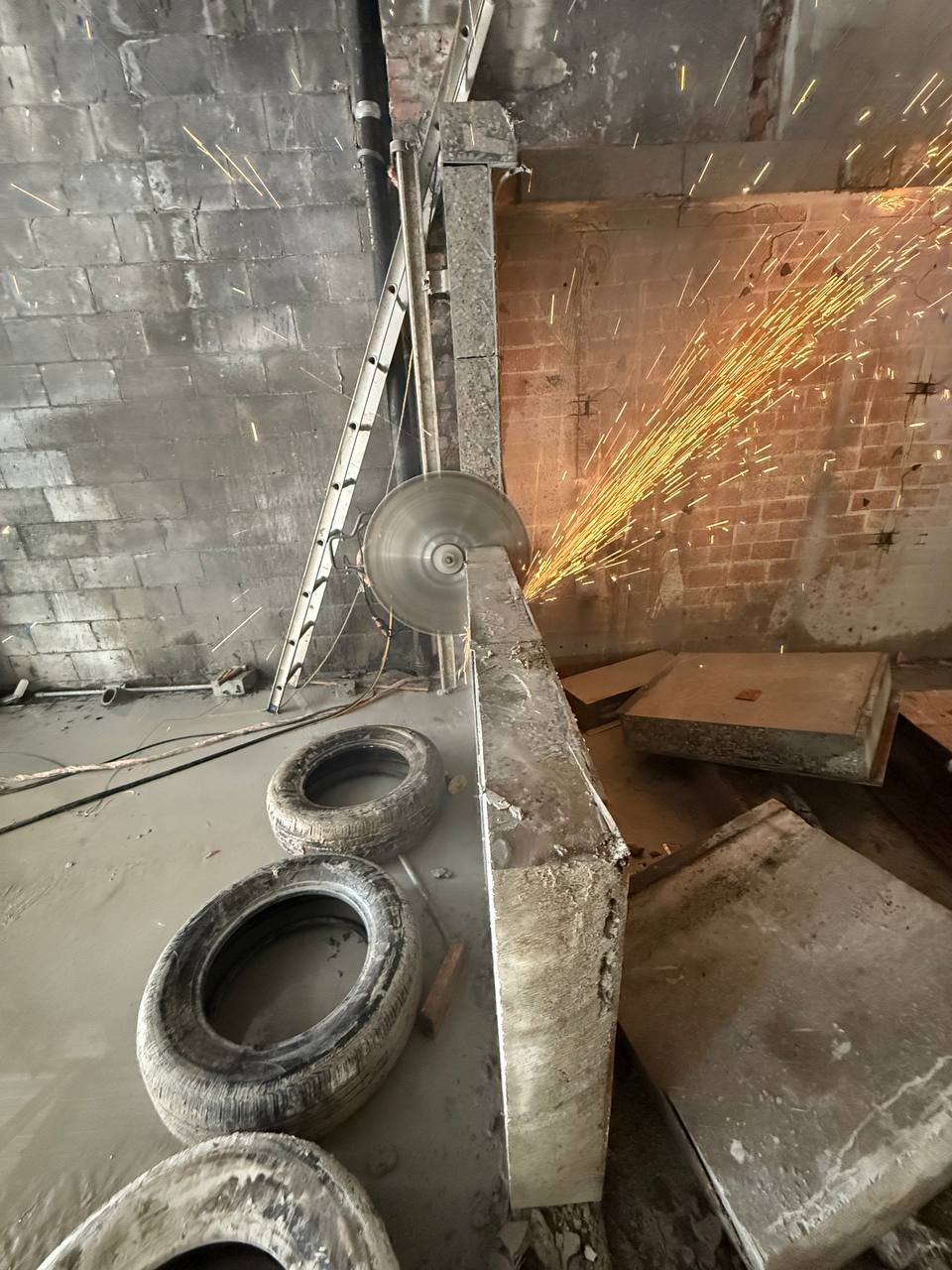
When vibration is a constraint, “just chip it out” becomes a schedule and liability problem. This is where diamond cutting and wire sawing are used to remove concrete in controlled sections rather than turning it into an impact demolition job.
- Embedded risk is higher than people admit
In Ontario renovations and retrofit work, drawings are often incomplete or outdated. Hidden conduits, cables, and unexpected reinforcement are common.
If the risk of hitting embeds is high, the planning approach changes:
confirm thickness and reinforcement,
verify what is inside the concrete,
then choose the method and sequence.
This is how you prevent the most expensive Ontario failure mode: an avoidable stop-work caused by a cut that should never have been blind.
- How to write an Ontario-ready cutting & coring scope
If your scope is written like a simple suburban slab cut, it will blow up downtown.
Include:
site access plan (where to stage, how to load out, any dock/elevator rules),
work windows (day/night, noise restrictions, tenant schedules),
containment and cleanup responsibilities (especially for wet cutting),
measurable quantities (linear feet, thickness ranges, number/diameter of cores),
removal plan if required (segment sizes, rigging/haul-out approach).
When you specify the real constraints, you get real pricing and fewer change orders.
For Ontario/GTA cutting and coring, the best results come from contractors who ask the boring questions early: access, windows, embeds, and removal logistics. Send those details with photos and plans, and you’ll get a scope that matches the jobsite—not a guess.
Ready for Your Free Quote
Contact us today for professional concrete cutting services
Get Your Free Quote
Contact Information
7:00 AM – 8:00 PM Monday to Friday
(647) 558-8505Service Area
GTA/Ontario daily. Canada-wide for wire sawing.
Why Choose DRM?
- Licensed & Insured
- Modern Equipment
- No-Blind-Cuts Policy