
Searching “complete cutting & coring ” often means you want a contractor who can handle more than a single saw cut.
On commercial and infrastructure sites, “complete” shouldn’t be a label. It should be a scope standard: the contractor plans the cut, executes it under constraints, and finishes the package so the site can move forward without chaos.
Here’s what “complete cutting and coring” should include in real terms.
- Complete begins with scope verification
Before tools show up, the contractor should confirm:
what exactly is being cut or drilled,
the environment (live site, restricted hours, sensitive occupants),
access and haul-out limitations,
risk of embedded infrastructure.

This is the difference between “we can cut concrete” and “we can complete this work without stopping your job.”
- Method selection that matches constraints
A complete contractor doesn’t force one tool onto every condition.
They choose from:
slab sawing for floors and trenching,
wall sawing for controlled openings and removals,
wire sawing for thick/heavily reinforced or vibration-sensitive structures,
core drilling for penetrations and routes,
hybrid approaches when the jobsite demands it.
The goal is not to show equipment. The goal is to hit the schedule safely.
- No-blind-cuts planning (and scanning when the risk is real)
The cost of cutting into embedded services can dwarf the cost of the cutting package.
A complete scope clarifies how the contractor avoids blind cuts:
what info is needed from the client,
how the site will be verified,
when scanning (such as GPR) is recommended.
If embedded risk exists and nobody addresses it, the project is gambling.
- Segmentation and removal as part of the plan, not an add-on
Most projects don’t need “cut lines.” They need concrete removed from the building.
A complete scope ties the cut plan to:
section sizes that can be moved through the actual access route,
handling/rigging strategy,
staging limits,
protection of adjacent finishes and structures.
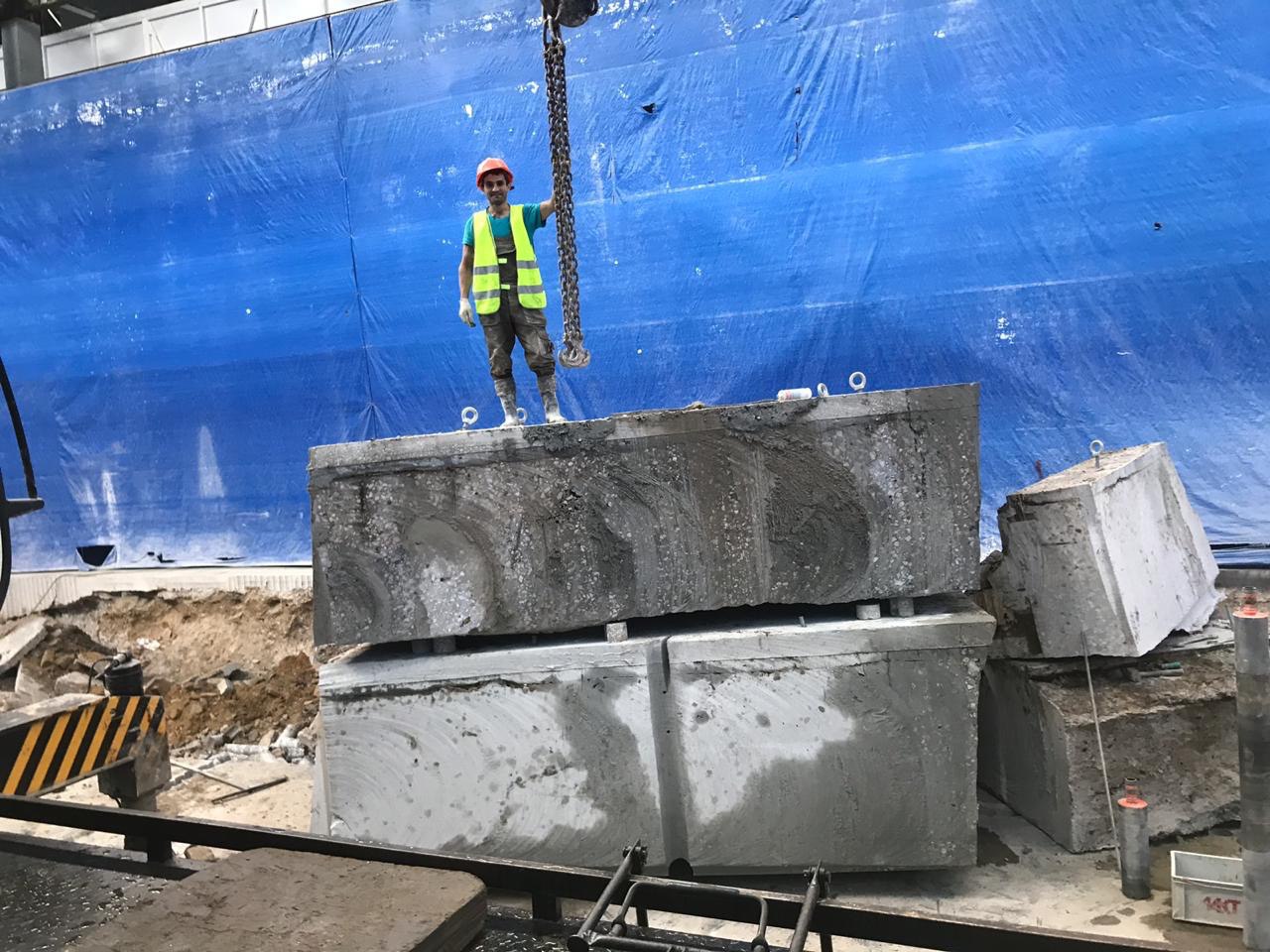
If this isn’t planned, the site becomes a re-cutting factory.
- Containment, water management, and cleanup
Wet cutting helps control airborne dust. But it introduces water and slurry.
A complete scope should define:
containment (barriers, floor protection),
slurry capture and cleanup,
final condition required by the site (broom clean, washdown, disposal),
responsibility boundaries.
This is where complete contractors protect the GC: fewer complaints, fewer trade conflicts, fewer stoppages.
- Clear handoff to next trades
Completion is proven by what happens after the crew leaves.
A complete package ends with:
clean edges and openings,
safe conditions,
debris removed,
site ready for the next trade to mobilize. - How to evaluate “complete” fast
Ask:
Do you include removal/haul-out, and how do you size sections for access?
How do you control slurry on this specific site?
How do you avoid blind cuts if embeds are uncertain?
What information do you need to lock a price?
What is excluded, and what triggers a change?
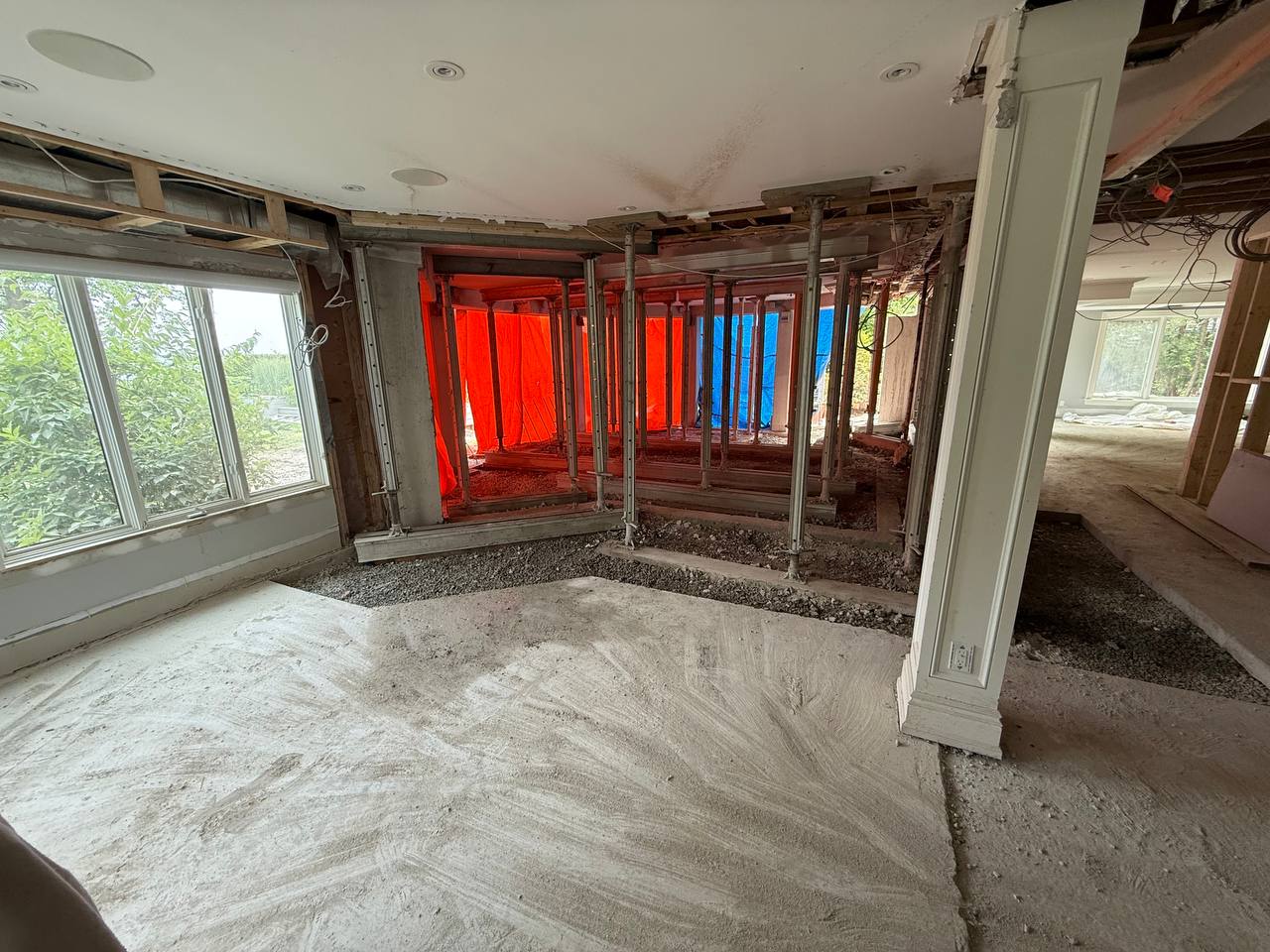
If you want “complete,” demand a scope that includes planning, verification, segmentation, haul-out, and cleanup. That’s what completes the job, not the word in the company name.
Ready for Your Free Quote
Contact us today for professional concrete cutting services
Get Your Free Quote
Contact Information
7:00 AM – 8:00 PM Monday to Friday
(647) 558-8505Service Area
GTA/Ontario daily. Canada-wide for wire sawing.
Why Choose DRM?
- Licensed & Insured
- Modern Equipment
- No-Blind-Cuts Policy